Lymphoma is a cancer of the lymphatic system that starts in lymphocytes, a type of white blood cell, usually in the lymph nodes. The two main groups are Hodgkin lymphoma and non-Hodgkin lymphoma (NHL). The commonest sign is a painless, persistent swelling of lymph nodes in the neck, armpit or groin. Many lymphomas are highly treatable, and treatment may include chemotherapy, immunotherapy, radiotherapy, stem cell transplant or CAR-T therapy.

Understanding lymphoma
Lymphoma originates in lymph nodes or lymphatic tissues, interfering with immune pathways. It may grow slowly (indolent) or quickly (aggressive). The exact type, identified by a biopsy, decides the treatment plan.
Diagnosis
Lymphoma is diagnosed with a biopsy of an enlarged lymph node or affected tissue, examined with immunohistochemistry. Staging uses PET-CT scans, blood tests and sometimes a bone marrow examination. Accurate subtyping and staging are essential before starting treatment.
Modern treatment
Treatment is tailored to the subtype, stage and patient fitness. It may involve chemo-immunotherapy (such as rituximab-based regimens), targeted therapies, radiotherapy, high-dose chemotherapy with autologous stem cell transplant for relapsed disease, and CAR-T cell therapy for relapsed or refractory B-cell lymphoma. With multidisciplinary care and close monitoring, many patients achieve long-term remission.
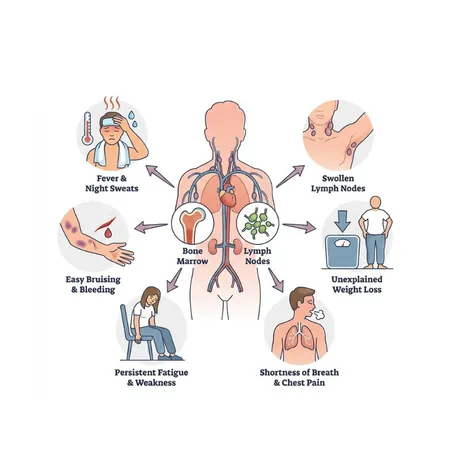
Symptoms of lymphoma
Key signs that need evaluation
- Painless swelling of lymph nodes in the neck, armpit or groin
- Fever without an obvious infection
- Drenching night sweats
- Unexplained weight loss
- Persistent fatigue
- Itching
- Cough, breathlessness or abdominal fullness, depending on where nodes are enlarged
Treatment options
Personalised, evidence-based therapy
- Chemo-immunotherapy and monoclonal antibodies
- Targeted therapy (for example BTK inhibitors in selected lymphomas)
- Radiotherapy in selected cases
- Autologous stem cell transplant for relapsed or high-risk disease
- CAR-T cell therapy for relapsed or refractory B-cell lymphoma
- Supportive care and long-term survivorship monitoring
Lymphoma care with Dr Prakash Singh Shekhawat in Jaipur
At Jaipur Hematology Centre, Dr Prakash Singh Shekhawat (DM Clinical Haematology) evaluates each patient, explains the diagnosis and options clearly, and builds a treatment plan with the family. For complex cases he works with a multidisciplinary hospital team. Bone marrow transplant and CAR-T, when they are appropriate, are provided under his care as Head of the BMT & CAR-T Program at BMCHRC, Jaipur.
Videos
Frequently asked questions
Is a swollen lymph node always lymphoma?
No. Most swollen glands are caused by infections and settle within a few weeks. A node that is painless, keeps growing, or lasts more than 2–3 weeks, especially with fever, night sweats or weight loss, should be checked by a doctor.
Can lymphoma come back after treatment?
Some lymphomas can relapse. Options for relapsed lymphoma include second-line chemotherapy, autologous stem cell transplant and CAR-T cell therapy, which Dr Shekhawat offers in Jaipur.
This page is for general information and does not replace a medical consultation. Treatment decisions depend on each patient's diagnosis and condition.