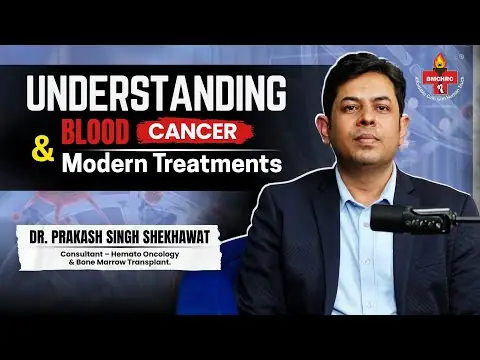
CAR-T cell therapy is a treatment in which a patient's own T-cells (a type of immune cell) are collected, genetically engineered in a laboratory to recognise cancer cells, and infused back to attack the cancer. In December 2024, the first CAR-T cell therapy in Rajasthan was performed at BMCHRC, Jaipur, by Dr Prakash Singh Shekhawat.
Understanding CAR-T therapy
CAR-T therapy uses genetically modified T-cells to recognise and attack certain cancer cells. It may be considered for patients whose blood cancer has come back (relapsed) or has not responded to standard treatment (refractory). Suitability depends on the exact diagnosis, previous treatment and overall health.
Who may benefit from CAR-T?
Dr Shekhawat specialises in treating relapsed or refractory B-cell non-Hodgkin lymphoma (NHL) and B-cell acute lymphoblastic leukemia (B-ALL) with CAR-T. CAR-T technology is also expanding for other blood cancers such as multiple myeloma. Eligibility depends on the type of cancer, previous treatments and overall health, so every patient needs a detailed evaluation.
Safety and monitoring
CAR-T can cause specific side effects such as cytokine release syndrome (CRS) and neurological effects. Dr Shekhawat's team follows structured pathways for toxicity monitoring, CRS management and supportive care, and patients are watched closely in the weeks after infusion.
The CAR-T process
Stepwise, protocol-driven care
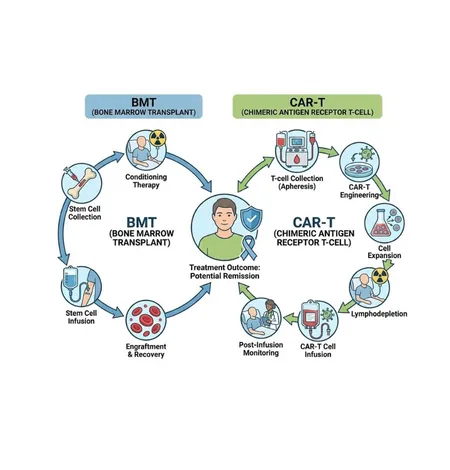
- Evaluation and CAR-T eligibility assessment
- Collection of T-cells from the patient's blood (apheresis)
- Laboratory engineering and expansion of CAR-T cells
- Short course of lymphodepleting chemotherapy
- Infusion of CAR-T cells
- Close monitoring for cytokine release syndrome, neurological effects and infections
- Long-term follow-up and survivorship planning
CAR-T Cell Therapy care with Dr Prakash Singh Shekhawat in Jaipur
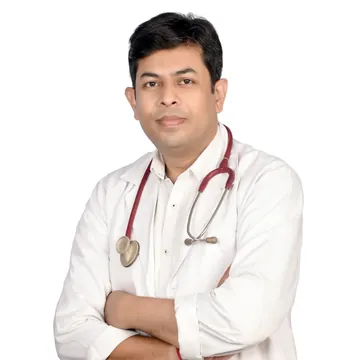
At Jaipur Hematology Centre, Dr Prakash Singh Shekhawat (DM Clinical Haematology) evaluates each patient, explains the diagnosis and options clearly, and builds a treatment plan with the family. For complex cases he works with a multidisciplinary hospital team. Bone marrow transplant and CAR-T, when they are appropriate, are provided under his care as Head of the BMT & CAR-T Program at BMCHRC, Jaipur.
Videos
Frequently asked questions
Who may be considered for CAR-T cell therapy?
CAR-T is a specialised immunotherapy used for selected blood cancers, mainly certain relapsed or refractory B-cell lymphomas, B-cell acute lymphoblastic leukemia, and some cases of myeloma. It is not suitable for all cancers and is not the first treatment for every patient. Suitability depends on the exact diagnosis, previous treatment and overall health. In December 2024, the first CAR-T cell therapy in Rajasthan was performed at BMCHRC, Jaipur, by Dr Prakash Singh Shekhawat.
Which cancers are treated with CAR-T therapy?
CAR-T is mainly used for relapsed or refractory B-cell lymphomas and B-cell acute lymphoblastic leukemia, and it is increasingly used for multiple myeloma. Whether it is suitable depends on the individual case.
Is CAR-T the same as a bone marrow transplant?
No. A bone marrow transplant replaces the blood-forming stem cells, while CAR-T re-programmes the patient's own immune T-cells to attack cancer. Some patients may need one, the other, or both at different stages.
This page is for general information and does not replace a medical consultation. Treatment decisions depend on each patient's diagnosis and condition.